Description
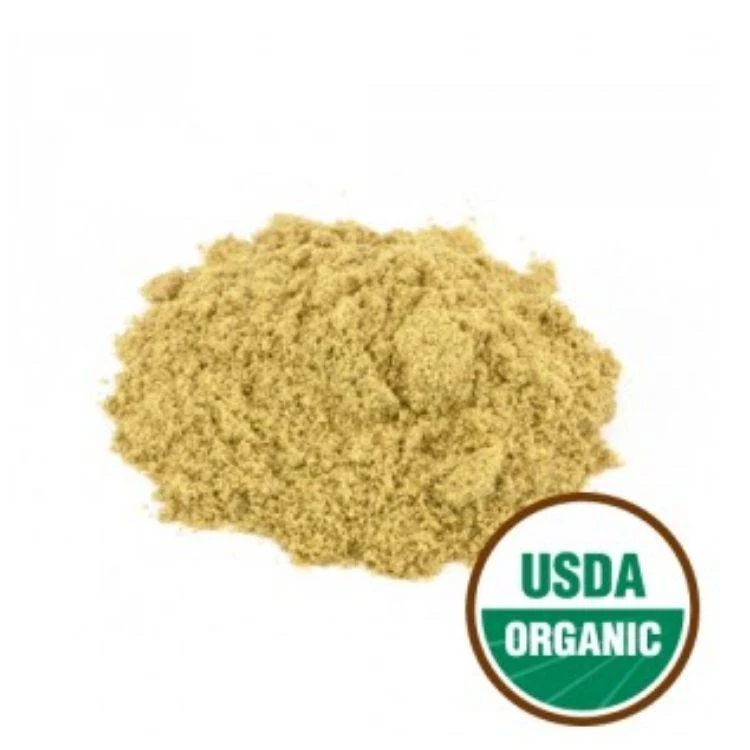
Frankincense (Boswellia serrata and Boswellia papyrifera)
Probably best known because of the Nativity story, Frankincense – derived from the resin of a tree called Boswellia serrata and other species of the same – has an interesting history. In Hebrew, its name is levonah, meaning “white;” in Arabic, a closely-related language, it is ‘al-luban, a term referring to milk; the name of the modern country of Lebanon is derived from both. However, it came to be known as “frankincense” when crusaders – many of whom were French or “Frankish” – introduced it to Europe during the Middle Ages.
Dried Frankincense is used in numerous ways, including the manufacture of perfume and aromatherapy; ancient Egyptians used burnt powdered frankincense as eyeliner. The burning of the dried c/s boswellia serrata resin has also played a part in the religious rites of all three Abrahamic traditions.
Frankincense is thought to be non-toxic, but when using natural words for therapeutic purposes – even organic herbs – prudence and caution is called for. You should always seek out the counsel of a licensed herbalist or other healthcare professional if you are planning to use dried herbs for medicinal purposes.
Warning: Not to be used during pregnancy.
California Proposition 65
Consuming this product can expose you to lead, which is known to the State of California to cause cancer and birth defects or other reproductive harm. For more information go to www.P65Warnings.ca.gov/food.